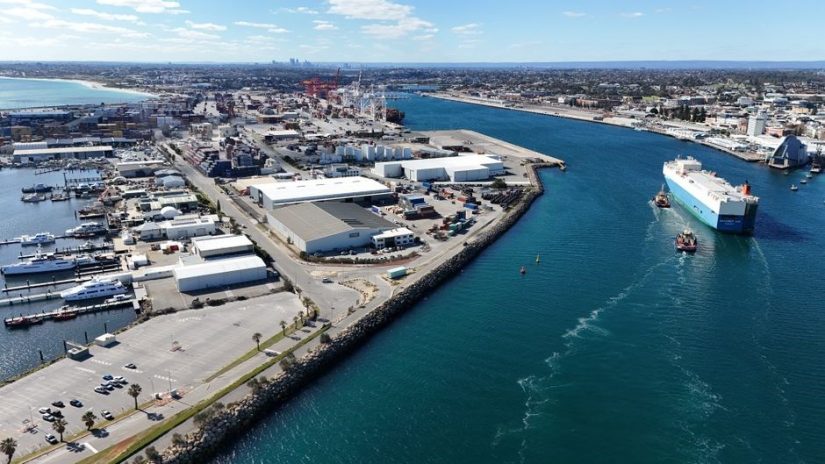
Ports serve as vital hubs where maritime trade, commerce, and culture converge․ This guide outlines their functions, infrastructure, and operational dynamics, offering insights into how vessels, cargo, and passengers interact within these complex maritime gateways․ It welcomes global trade daily
Purpose and Scope
The purpose of this port guide is to provide a comprehensive, practical reference for professionals, students, and enthusiasts involved in maritime logistics, port operations, and coastal development․ It aims to clarify the roles, responsibilities, and interdependencies of the various stakeholders—shipping companies, terminal operators, regulatory bodies, and local communities—within a port environment․ By outlining key concepts, terminology, and best practices, the guide facilitates informed decision‑making, promotes operational efficiency, and supports sustainable growth․ Its scope covers the entire life cycle of port activity, from strategic planning and infrastructure design to day‑to‑day management, safety protocols, and environmental stewardship․ The guide is intended for use by maritime engineers, port managers, policy makers, and academic researchers, offering both high‑level overviews and detailed, actionable insights․ It also serves as a foundational resource for training programs and certification courses in port administration and maritime logistics․
Additionally, the guide addresses emerging trends such as digitalization of port operations, adoption of autonomous vessels, and the integration of green technologies to reduce carbon footprints․ It also highlights best practices for stakeholder collaboration, knowledge sharing, and capacity building, ensuring that ports remain resilient, competitive, and responsive to global market shifts․ Future!!!

Types of Ports
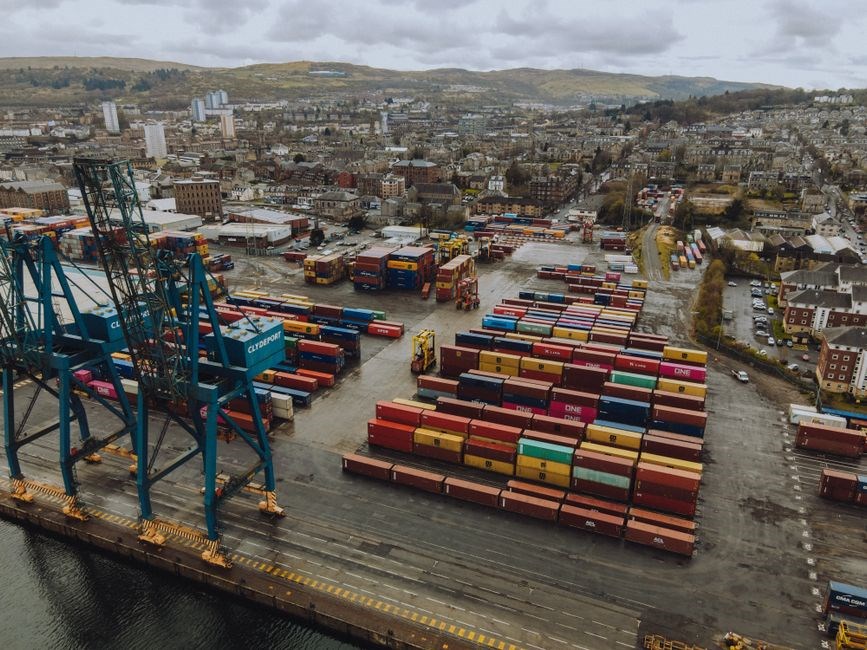
Ports vary by function and scale, ranging from commercial hubs that handle bulk cargo, containers, and liners, to facilities dedicated to oil, gas, or naval operations․ Each type requires tailored infrastructure, security protocols, and frameworks to meet operational demands․!
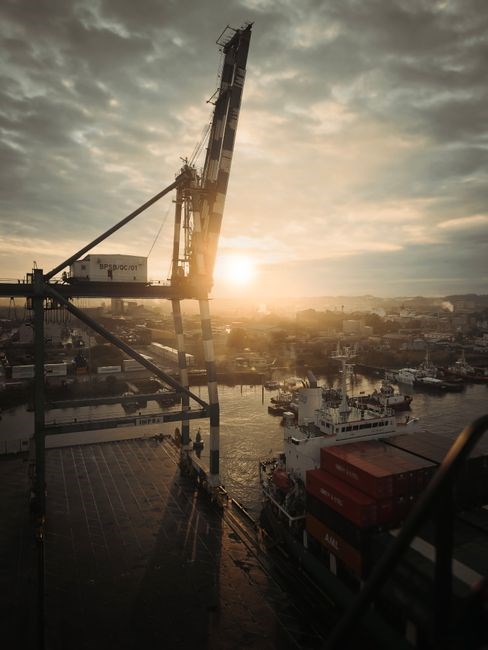
Ports serve as vital hubs where maritime trade, commerce, and culture converge․ This guide outlines their functions, infrastructure, and operational dynamics, offering insights into how vessels, cargo, and passengers interact within these complex maritime gateways․ It welcomes global trade daily
Ports vary by function and scale, ranging from commercial hubs that handle bulk cargo, containers, and liners, to facilities dedicated to oil, gas, or naval operations․ Each type requires tailored infrastructure, security protocols, and frameworks to meet operational demands․
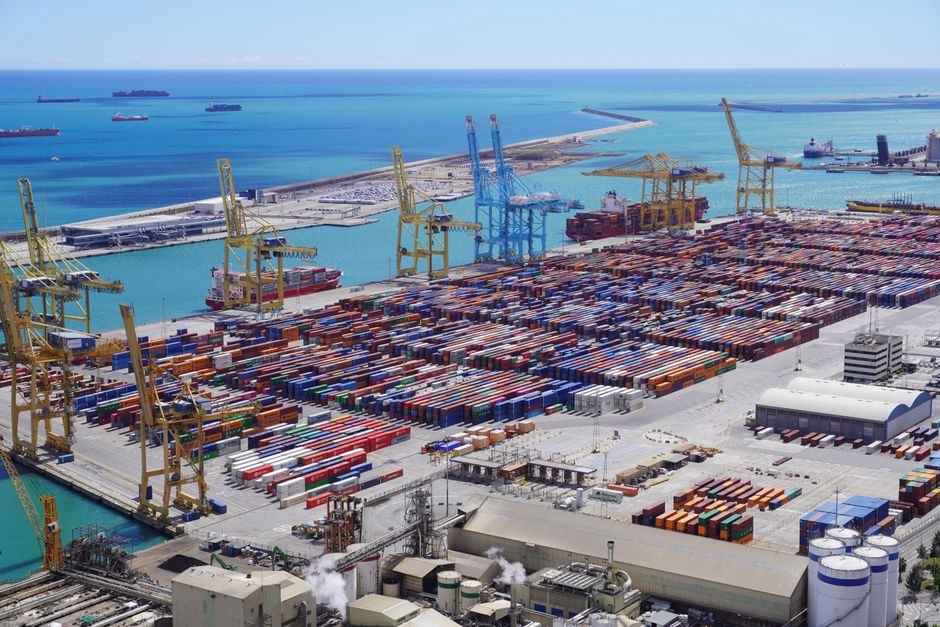
Commercial, Cargo, Passenger, Specialized
Commercial ports form the backbone of global trade, offering extensive berth capacity, container handling, and intermodal connections․ Cargo ports specialize in bulk commodities, liquid bulk, or break‑bulk, providing tailored storage, loading equipment, and safety protocols․ Passenger terminals focus on passenger comfort, security, and efficient boarding, often integrating retail and cultural spaces․ Specialized ports cater to niche industries such as oil and gas, maritime research, or naval operations, requiring unique infrastructure, stringent security, and specialized environmental safeguards․ Each port type serves distinct economic, logistical, and societal needs, shaping regional development and international commerce․

Port Facilities and Infrastructure
Ports also play a strategic role in national security, emergency response, and tourism․ Their design incorporates advanced navigation aids, dynamic scheduling systems, and robust supply chains to minimize turnaround times․ Environmental stewardship is increasingly central, with ports adopting green technologies, shore power, and waste reduction programs to mitigate ecological footprints․ Collaboration among stakeholders—shipping companies, local authorities, and international bodies—ensures that ports evolve to meet future demands while balancing economic growth and community well‑being․

Shipping Operations
Future port development will rely on digital twins and autonomous vessels to adapt to climate change, shifting trade routes, and evolving security threats, ensuring ports remain arteries for all world connectivity․
Berths, docks, and terminals form a port’s core, designed for mooring, cargo handling and passenger flow․ Storage areas—warehouses, container yards, and bulk silos—support logistics, while utilities like power, water, and fiber ensure seamless operations․
Berths, Docks, Terminals, Storage
Berths are the designated mooring points where vessels anchor, designed to accommodate varying ship sizes and draft depths․ Docks provide sheltered berthing areas, often equipped with quay walls and loading equipment such as cranes, winches, and conveyors․ Terminals specialize in handling specific cargo types—container terminals, bulk cargo yards, liquid bulk facilities, and passenger terminals—each tailored with dedicated infrastructure, signage, and operational protocols․ Storage solutions span from open‑air yards for bulk commodities to climate‑controlled warehouses for sensitive goods, and secure container stacks that integrate with rail and road networks․ Advanced automation, real‑time tracking systems, and integrated logistics platforms enable efficient coordination between berth assignment, cargo handling, and onward transportation․ Safety measures include fire suppression systems, hazardous material containment, and emergency response drills, ensuring compliance with international maritime regulations․ The synergy between berths, docks, terminals, and storage facilities underpins a port’s capacity to manage diverse maritime traffic while maintaining operational resilience and environmental stewardship․ Digital platforms, such as port community systems and blockchain cargo tracking, boost efficiency by providing real‑time visibility, cutting turnaround times, and enabling collaboration among stakeholders, supporting data‑driven daily decisions!․
Vessel arrival is managed via scheduling, pilotage, and tug assistance․ Mooring secures ships to berths, while dynamic positioning ensures precise alignment․ Loading/unloading uses cranes, conveyors, and automated systems for safe, efficient cargo transfer․ daily!!!
Vessel Arrival, Mooring, Loading/Unloading
When a ship approaches a port, the first step is arrival scheduling․ Port authorities coordinate with the vessel’s master to assign a berth slot based on size, draft, and cargo type․ A pilot is typically hired to navigate the vessel through local waters, while tugs provide additional maneuvering power if needed․ Once the ship reaches the berth, a mooring plan is executed․ This involves securing the vessel to the quay using a combination of anchor chains, fender systems, and shore‑based winches․ The goal is to maintain a stable position while allowing for safe cargo operations․ Loading and unloading are conducted using a range of equipment depending on the cargo․ Bulk carriers use conveyor belts efficiently fast so grab trucks while container ships use gantry cranes to lift standardized containers onto truck or rail transport!!․ Roll‑on/roll‑off vessels deploy ramps to transfer vehicles directly onto the dock․ Throughout the process, communication between the vessel’s bridge, the port’s traffic control center, and the terminal operator continues, ensuring that any changes in weather, tide, or operational status are addressed․ Safety protocols are strictly followed, including personal protective gear, handling of materials, and adherence to International Maritime Organization guidelines for safe loading․ The entire operation is timed to minimize berth dwell time, thereby improving overall port throughput and reducing fuel consumption for both the vessel and the port’s support vessels․ Efficient coordination and modern technology, including automated berth planning software and real‑time monitoring, are key to a smooth, secure, and responsible shipping operation․
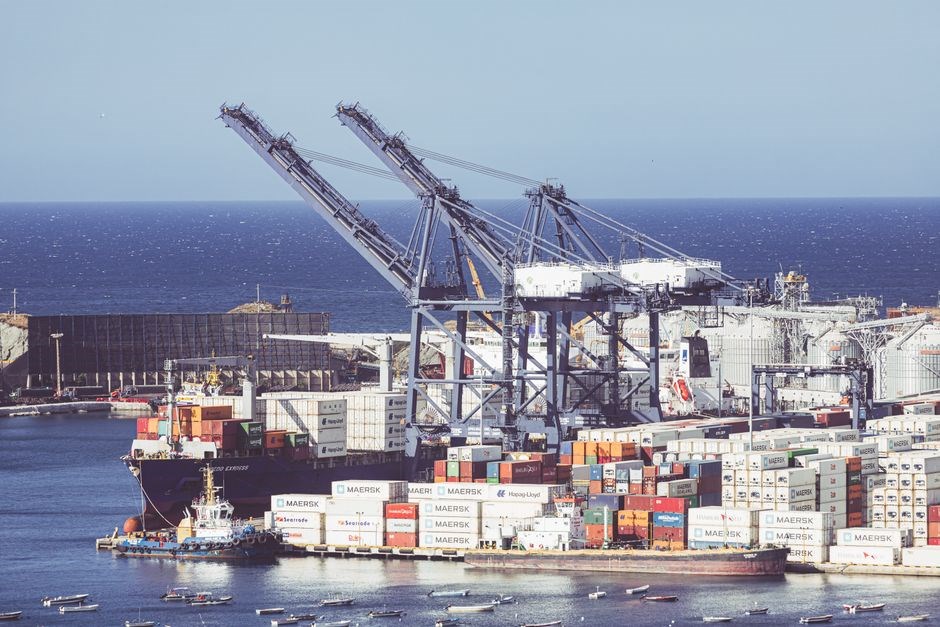
Port Management and Administration
Effective port management balances compliance, revenue generation, and stakeholder engagement․ Governance structures define authority, while fee schedules cover berthing, security, and compliance․ Transparent policies foster trust and operational efficiency․!!
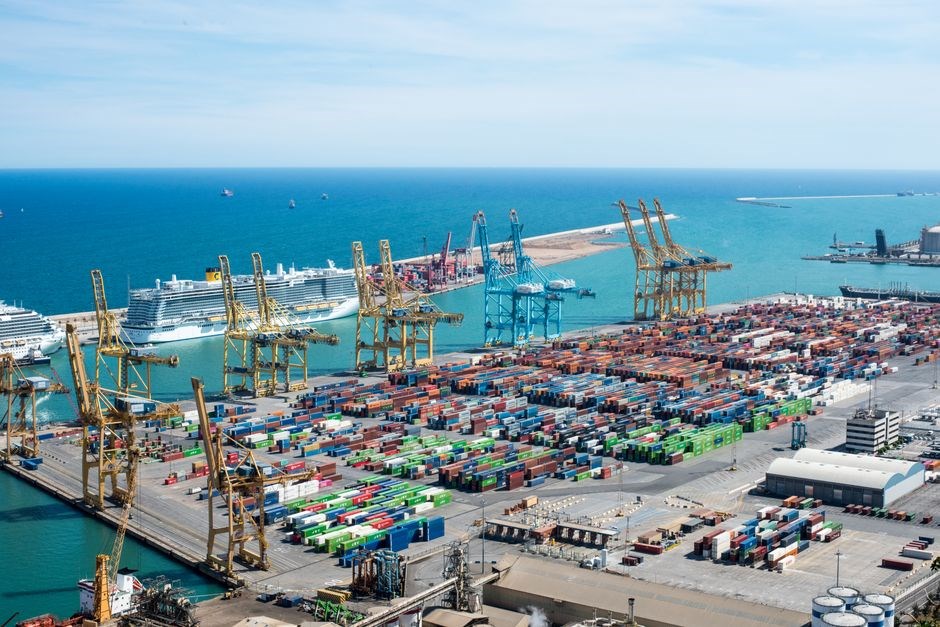
Governance, Fees, Regulations
Port governance structures typically involve a board of directors, often comprising local government officials, industry representatives, and community stakeholders․ This board sets strategic direction, approves budgets, and ensures compliance with national maritime laws and international conventions․ Operational oversight is delegated to a chief executive officer or general manager, who coordinates day‑to‑day activities, negotiates contracts, and manages personnel․ Transparent reporting mechanisms, such as annual financial statements and performance audits, are essential for accountability and investor confidence․ Fees collected from berthing, pilotage, towage, and cargo handling are calculated based on vessel size, cargo type, and duration of stay․ These tariffs are reviewed regularly to reflect market conditions, infrastructure costs, and environmental compliance requirements․ Regulatory frameworks cover safety standards, environmental protection, customs procedures, and labor regulations․ Ports must adhere to International Maritime Organization (IMO) guidelines, national safety codes, and local zoning laws․ Compliance is monitored through inspections, certifications, and continuous improvement initiatives․ Effective governance balances economic viability with social responsibility, ensuring that port operations contribute positively to regional development while protecting marine ecosystems and community interests․
Stakeholder engagement remains prio, fostering transpar and growthnow
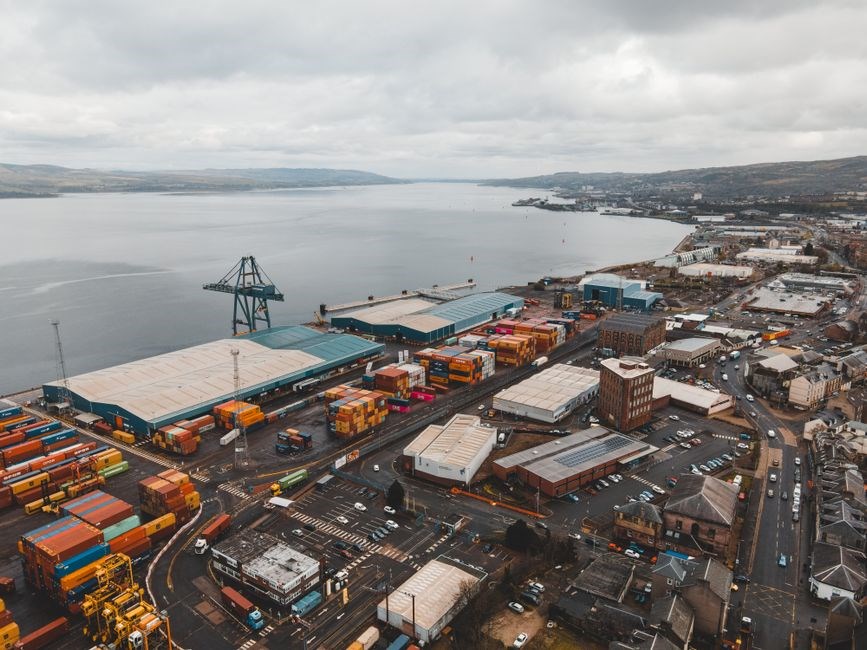
Safety and Security
Ports enforce protocols: vessel inspections, crew vetting, cargo screening prevent threats․ Surveillance systems, access controls, emergency drills safeguard personnel and infrastructure․ Compliance with IMO ISPS Code ensures rapid response, protecting maritime assets!
Hazardous Materials, Surveillance, Emergency Plans
Ports manage hazardous materials through strict classification, segregation, and storage protocols․ Containers marked with UN codes are isolated in dedicated zones, monitored by temperature and pressure sensors․ Crew receive specialized training on spill containment․ Surveillance systems—CCTV, motion detectors, and drones—provide 24/7 coverage of areas․ Access to hazardous zones is restricted to authorized personnel, with biometric gates and electronic logbooks ensuring traceability․ Emergency plans are developed in collaboration with local fire departments, coast guard․ Drills simulate chemical spills, fire outbreaks, and terrorist threats, testing response times and inter‑agency communication․ Protocols dictate immediate isolation, ventilation, and evacuation routes․ Real‑time data from sensors feed into a central command center, enabling rapid decision‑making․ Regular audits verify compliance with IMO, ISO 9001, and national regulations, while continuous improvement initiatives adapt to emerging threats․ The integrated approach balances operational efficiency with the safety of workers, the community, and the environment․
Additionally, ports employ advanced predictive analytics to forecast potential incidents, integrating weather data, traffic patterns, and historical incident reports․ These models inform pre‑emptive measures such as rerouting vessels, adjusting berth assignments, or deploying response teams․ Continuous training programs ensure that all staff remain proficient in the latest safety protocols, fostering a culture of vigilance and resilience across the port ecosystem․
Authorities coordinate with national security agencies to conduct joint exercises, testing cyber‑security defenses, maritime domain awareness, and coordinated response to terrorism threats․ Residents are educated about emergency evacuation routes, safe harbor usage, and reporting suspicious activity, strengthening community resilience․
Environmental Impact
Ports influence ecosystems through emissions, ballast water, and runoff․ Mitigation involves shore power, low‑speed zones, and green infrastructure․ Monitoring programs track air quality, noise, and marine life, guiding adaptive management to safeguard habitats and communities; and green tech․!!
Pollution Control, Sustainability Initiatives
Ports are adopting strategies to curb pollution and promote sustainability․ Key measures include the installation of shore power systems that allow vessels to shut down auxiliary engines while docked, reducing diesel emissions and particulate matter․ Combined with exhaust filtration and catalytic reduction technologies, these systems lower nitrogen oxides and sulfur oxides to meet IMO Tier III standards․ Ballast water management is another focus; ports enforce treatment protocols such as ultraviolet disinfection, filtration, and chemical biocides to prevent invasive species transfer, preserving marine biodiversity․ Stormwater runoff is treated through wetlands and biofiltration beds that absorb nutrients and heavy metals before discharge, safeguarding coastal water quality․ Ports also invest in infrastructure, such as permeable pavements, solar arrays, and wind turbines, to offset energy consumption and generate power on-site․ Waste segregation and recycling programs reduce landfill burden, while hazardous waste is handled under regulatory frameworks․ Moreover, many ports now operate zero‑fuel initiatives, encouraging the use of LNG, hydrogen, or battery‑powered tugboats and ferries․ Digital monitoring platforms track emissions, energy use, and water quality in real time, enabling decision making and reporting to stakeholders․ These measures reduce emissions, protect ecosystems, strengthen trade․ Ports supply chains, closing loops sustainably today!