
Shri Rudram‚ available as a PDF‚ is a sacred Hindu chant in Sanskrit‚ featuring Devanagari verses alongside IAST transliteration and English meanings.
This ancient text‚ often studied with tools like LaTeX2ε‚ is a core component of Vedic rituals and spiritual practice‚ offering profound insights.
The document provides a detailed exploration of the chant‚ aiding learners in understanding its nuances and proper pronunciation for effective recitation.
What is Shri Rudram?
Shri Rudram is a highly revered Hindu stotra‚ a hymn dedicated to Lord Shiva in his furious form‚ Rudra. It’s a core part of the Krishna Yajurveda‚ presented in two distinct parts: the Namakam and the Chamakam.
Widely accessible as a Sanskrit PDF‚ the text comprises powerful invocations and descriptions of Rudra’s attributes. The PDF versions often include Devanagari script‚ IAST transliteration‚ and English translations‚ making it accessible to a broader audience.
It’s not merely a prayer but a complex philosophical and spiritual discourse. Studying Shri Rudram‚ particularly through Sanskrit texts‚ is believed to bestow blessings‚ protection‚ and prosperity upon the chanter. The availability of digital formats like PDF facilitates its study and recitation globally.
Historical Significance of Shri Rudram
Shri Rudram’s origins trace back to the Krishna Yajurveda‚ making it one of the oldest and most significant Vedic hymns. Its historical importance lies in its continuous recitation and preservation through oral tradition for centuries.
The advent of PDF formats has revolutionized access to this ancient Sanskrit text‚ allowing wider dissemination and study. Historically‚ it was primarily learned through a Guru-shishya parampara (teacher-student lineage).
The text’s enduring relevance is evident in its continued use in various Hindu rituals and ceremonies. The availability of digitized versions‚ like those typeset using LaTeX2ε‚ ensures its preservation and accessibility for future generations‚ bridging the gap between ancient tradition and modern learning.
The Two Parts: Namakam and Chamakam
Shri Rudram is distinctly divided into two principal sections: the Namakam and the Chamakam. The Namakam‚ the first part‚ consists of invocations and praises directed towards Lord Rudra‚ often found within Sanskrit PDF versions of the text.
The Chamakam‚ following the Namakam‚ is characterized by a series of requests for blessings and prosperity‚ repeatedly invoking ‘Cha me’ (and to me).
These two sections‚ often presented together in digital formats like those utilizing Script and Roman Coloured Coding (RCCS)‚ complement each other‚ forming a complete and powerful hymn. Studying both parts‚ readily available in PDF‚ provides a holistic understanding of Rudra’s attributes and the devotee’s aspirations.
Understanding the Sanskrit Text
Shri Rudram’s original Sanskrit text‚ often found in PDF format‚ requires understanding Devanagari script and IAST transliteration for accurate pronunciation and meaning.
Devanagari Script and its Importance
Devanagari is the script in which the original Shri Rudram is written‚ and mastering it unlocks a deeper connection to the text. Many PDF versions of Shri Rudram present the verses in this script‚ alongside transliterations.
Understanding Devanagari isn’t merely about recognizing shapes; it’s about grasping the inherent sounds and vibrations embedded within each character. This script directly reflects the phonetic structure of Sanskrit‚ crucial for correct pronunciation.
The script’s visual form aids memorization and allows for a more intuitive understanding of the mantras. While transliterations are helpful‚ relying solely on them can obscure the subtle nuances present in the original Devanagari rendering. Learning the script enhances the spiritual experience of chanting Shri Rudram.
IAST Transliteration: A Key to Pronunciation
IAST (International Alphabet of Sanskrit Transliteration) is vital when studying Shri Rudram‚ particularly when accessing PDF versions. It provides a standardized way to represent Sanskrit sounds using Roman characters‚ bridging the gap for those unfamiliar with Devanagari.
Many Shri Rudram resources include both the Devanagari script and IAST transliteration‚ allowing learners to correlate the visual form with the phonetic pronunciation. Accurate pronunciation is paramount in mantra recitation‚ and IAST serves as a crucial guide.
Without IAST‚ correctly vocalizing the complex sounds of Sanskrit becomes significantly more challenging. It ensures consistency and avoids misinterpretations‚ fostering a more authentic and effective chanting practice. It’s a key component for self-study and online learning.
Sanskrit Grammar Basics for Beginners
Embarking on Shri Rudram study‚ even with a PDF containing transliteration‚ benefits from basic Sanskrit grammar knowledge. Understanding concepts like sandhi (euphonic combination of sounds) and case endings unlocks deeper meaning within the verses.
Sanskrit is a highly inflected language; word endings change to indicate grammatical function. Recognizing these changes‚ even superficially‚ aids comprehension. Resources often present the text with minimal grammatical explanation‚ making foundational knowledge helpful.
Beginners should focus on identifying nouns‚ verbs‚ and common prefixes/suffixes. While full mastery isn’t required initially‚ a grasp of basic structure enhances appreciation and facilitates accurate recitation of this powerful Vedic hymn. Online resources can supplement PDF study.

Shri Rudram: Namakam – Detailed Analysis
The Namakam section of Shri Rudram‚ often found in Sanskrit PDF formats‚ consists of evocative verses invoking Rudra’s attributes and seeking divine protection.
Anuvaka 1: The Opening Invocation
Anuvaka 1‚ readily accessible within Shri Rudram Sanskrit PDF resources‚ serves as a powerful opening invocation‚ establishing the sacred atmosphere for the entire chant. It begins with “Namo‚” a profound expression of reverence and surrender to the divine Rudra.
This initial verse‚ meticulously presented in Devanagari script alongside IAST transliteration in these PDF documents‚ lays the foundation for subsequent anuvakas. It’s a declaration of humility and a plea for Rudra’s grace. The text emphasizes the seeker’s recognition of Rudra’s supreme power and benevolent nature.
Studying this anuvaka through available PDFs‚ often utilizing Script and Roman Coloured Coding (RCCS)‚ allows for a deeper understanding of its phonetic precision and spiritual significance‚ preparing the chanter for the unfolding verses.

Anuvaka 2: Describing Rudra’s Attributes
Anuvaka 2‚ detailed within Shri Rudram Sanskrit PDF versions‚ shifts focus to a vivid description of Rudra’s multifaceted attributes. The text meticulously outlines Rudra’s power‚ presence‚ and pervasiveness throughout the cosmos. These PDF resources present the verses in Devanagari alongside IAST transliteration‚ aiding accurate pronunciation.
This section‚ often studied using SSBPT translations found alongside the Sanskrit text‚ highlights Rudra as the source of both creation and dissolution. It emphasizes his role as the protector and destroyer‚ embodying the cyclical nature of existence.
The detailed descriptions within the PDF‚ often typeset using LaTeX2ε‚ allow for a deeper appreciation of Rudra’s complex and awe-inspiring nature‚ fostering a sense of reverence and understanding.
Anuvaka 3: Seeking Protection from Rudra
Anuvaka 3‚ readily accessible in Shri Rudram Sanskrit PDF documents‚ marks a pivotal shift towards supplication. This section is dedicated to earnestly seeking Rudra’s protection from various forms of adversity‚ both seen and unseen. The text employs powerful invocations‚ pleading for safety from earthly dangers and spiritual afflictions.
These PDF versions‚ often utilizing Script and Roman Coloured Coding (RCCS) for clarity‚ present the verses alongside transliterations‚ facilitating correct chanting. The supplications detail specific fears – from wild beasts to diseases – demonstrating a comprehensive plea for well-being.
Studying this Anuvaka‚ using resources like Vaidika Vignanam’s Sanskrit offerings‚ reveals a profound understanding of human vulnerability and the reliance on divine grace for safeguarding.
Anuvaka 4: Rudra as the Healer
Anuvaka 4‚ found within Shri Rudram Sanskrit PDF resources‚ beautifully portrays Rudra not merely as a powerful deity‚ but as the ultimate healer. This section details invocations specifically requesting Rudra to cure diseases and alleviate suffering‚ encompassing physical‚ mental‚ and spiritual ailments.
The verses‚ often presented with IAST transliteration in these PDF documents‚ highlight Rudra’s ability to dispel negativity and restore wholeness. Translations by scholars like Sri P.R. Ramachander clarify the nuanced requests for healing and well-being.
Accessing this Anuvaka through online resources or printed materials emphasizes the belief in Rudra’s compassionate nature and his power to grant liberation from pain‚ a central theme within Vedic tradition.
Shri Rudram: Chamakam – Detailed Analysis
Chamakam‚ detailed in Shri Rudram Sanskrit PDFs‚ invokes blessings and prosperity through a repetitive structure‚ requesting various forms of abundance and well-being.
The Significance of ‘Chamakam’
Chamakam‚ a crucial section within Shri Rudram‚ readily accessible in Sanskrit PDF formats‚ holds immense spiritual weight. It’s a powerful invocation focused on seeking blessings and material prosperity from Lord Rudra. Unlike the Namakam‚ which praises Rudra’s attributes‚ Chamakam directly requests various gifts – cattle‚ horses‚ grain‚ and more – symbolizing overall abundance.
The repetitive structure isn’t merely stylistic; it emphasizes the earnestness of the devotee’s plea and reinforces the desired outcomes. Studying Shri Rudram through PDF resources reveals that each repetition is a focused offering‚ building energetic momentum. The Sanskrit text‚ often accompanied by transliteration and translations‚ allows for deeper comprehension of these requests and their underlying symbolism.
Ultimately‚ Chamakam demonstrates a balanced approach to spirituality‚ acknowledging both the divine and the material aspects of existence.
Invocation of Blessings and Prosperity
Within the Chamakam section of Shri Rudram‚ readily available as a Sanskrit PDF‚ lies a profound invocation for blessings and prosperity. The chant systematically requests a multitude of gifts – livestock‚ gold‚ crops – representing comprehensive well-being. These aren’t seen as mere material desires‚ but as symbols of divine grace and abundance.
Analyzing the Sanskrit text‚ often aided by transliteration in PDF versions‚ reveals a meticulous pattern. Each offering is a focused prayer‚ appealing to Rudra’s benevolent nature. Resources like those utilizing Script and Roman Coloured Coding (RCCS) highlight the precise wording and its energetic impact.
This section isn’t simply about acquiring possessions; it’s about cultivating a receptive heart and aligning oneself with the flow of divine prosperity.
The Repetitive Structure and its Meaning
The Chamakam portion of Shri Rudram‚ often studied via Sanskrit PDF resources‚ is characterized by a distinctive repetitive structure. Each verse concludes with the phrase “Chamakam‚” creating a rhythmic and meditative quality. This isn’t merely stylistic; it’s a deliberate technique to amplify the power of each invocation.
The repetition‚ visible in the text of the PDF‚ serves to impress the desired blessings upon the consciousness. It’s a form of focused intention‚ building energetic momentum with each reiteration. Translations‚ like those from SSBPT‚ clarify that each repetition isn’t identical‚ subtly varying the requested boon.
This structure encourages deep contemplation and internalization of the blessings sought‚ fostering a profound connection with the divine.

Resources for Learning Shri Rudram
Numerous Shri Rudram resources exist as PDF files‚ offering Sanskrit text‚ IAST transliteration‚ and English translations for dedicated study and practice.
Availability of Shri Rudram in PDF Format
Shri Rudram is widely accessible in PDF format‚ catering to diverse learning preferences. Several online platforms host downloadable versions‚ often including the original Sanskrit text in Devanagari script alongside IAST transliteration for accurate pronunciation.
These PDFs frequently incorporate English translations‚ aiding comprehension for non-Sanskrit speakers. Resources like Vaidika Vignanam and various Indic book collections provide readily available downloads. Some versions are specifically formatted for chanting‚ with clear verse divisions and instructions.
Furthermore‚ specialized PDFs‚ such as “Sri-Rudram-Learning-Text-Anuvakam-1.pdf”‚ focus on individual Anuvakas‚ offering detailed analysis and chanting guidance. The availability of these digital resources significantly enhances accessibility for students and practitioners globally.
Online Resources for Sanskrit Learning
Successfully studying Shri Rudram‚ even with a Sanskrit PDF‚ benefits greatly from supplementary online learning resources. Several websites offer introductory Sanskrit grammar courses‚ crucial for understanding the text’s structure. Platforms dedicated to Vedic chanting often provide pronunciation guides and audio recordings.
Resources like Saiveda.net utilize Script and Roman Coloured Coding (RCCS) to aid in deciphering Sanskrit verses. Online dictionaries and transliteration tools are invaluable for word-by-word analysis.
Furthermore‚ communities and forums dedicated to Vedic studies offer opportunities for interaction and clarification. Mastering basic Sanskrit enhances appreciation of Shri Rudram’s depth and allows for more meaningful engagement with the text beyond simply reciting from a PDF.
Importance of Correct Pronunciation
Accurate pronunciation is paramount when working with Shri Rudram‚ even when utilizing a Sanskrit PDF for study. The power of the chant lies not just in its meaning‚ but also in the sonic vibrations created by precise articulation. Incorrect pronunciation can alter the intended effect and diminish the spiritual benefits.
Resources offering audio recordings alongside the PDF text are invaluable. Paying attention to the IAST transliteration helps bridge the gap between the Sanskrit script and accurate vocalization.
Ideally‚ learning from a Guru ensures proper guidance. Online resources often provide pronunciation guides‚ but a teacher can offer personalized correction. Mastering the sounds unlocks the full potential of Shri Rudram‚ transforming it from a textual study into a vibrant‚ transformative practice.
Chanting Shri Rudram
Shri Rudram‚ accessible via Sanskrit PDF‚ benefits from varied chanting methods; consistent practice yields spiritual rewards‚ ideally guided by a knowledgeable Guru.
Different Chanting Methods
Shri Rudram‚ often found as a Sanskrit PDF resource‚ allows for diverse chanting approaches. Some practitioners favor a slow‚ deliberate recitation‚ focusing on accurate pronunciation and understanding each syllable’s meaning. Others employ a faster‚ rhythmic style‚ prioritizing the flow and energy of the chant.
The document itself‚ available online‚ may offer instructions for specific methods. Variations include individual practice‚ group chanting (sankirtan)‚ and guided recitations led by a teacher.
Furthermore‚ the use of audio recordings alongside the PDF text can aid in mastering the correct intonation. Different schools of thought may also prescribe unique techniques‚ emphasizing specific aspects of the chant’s power and purpose. Ultimately‚ the best method depends on individual preference and guidance.
Benefits of Regular Chanting
Consistent chanting of Shri Rudram‚ facilitated by resources like a Sanskrit PDF‚ is believed to yield numerous benefits. Devotees report a sense of inner peace‚ reduced stress‚ and enhanced mental clarity. The vibrations produced during recitation are thought to purify the energy field and promote overall well-being.
Furthermore‚ regular practice can deepen one’s connection to the divine and foster spiritual growth. The powerful mantras within Shri Rudram are said to invoke blessings‚ protection‚ and prosperity.
Accessing the text in PDF format allows for convenient and consistent study and recitation‚ maximizing these potential benefits over time‚ leading to a more fulfilling spiritual journey.
The Role of a Guru
While a Shri Rudram Sanskrit PDF provides the textual foundation‚ guidance from a qualified Guru is invaluable. A Guru ensures correct pronunciation‚ crucial for the efficacy of the chants‚ and clarifies the subtle meanings embedded within the verses.
They can impart the proper techniques for recitation‚ tailoring them to the individual’s spiritual needs and capabilities. A Guru’s mentorship fosters a deeper understanding beyond mere textual comprehension‚ unlocking the transformative potential of Shri Rudram.
Learning from a Guru complements self-study with the PDF‚ providing personalized instruction and safeguarding against misinterpretations‚ ultimately accelerating spiritual progress.
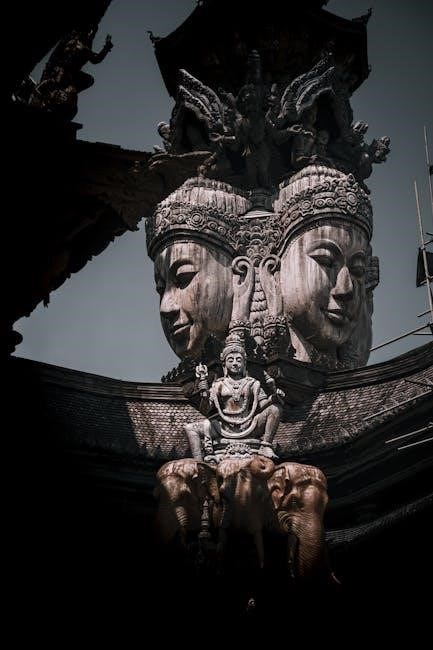
Shri and its Meaning in the Context of Rudram
Shri signifies wealth‚ prosperity‚ and power‚ intrinsically linked to Rudra’s divine attributes as detailed in the Sanskrit PDF text;
It embodies auspiciousness and fullness‚ enhancing the chant’s potency.
The Concept of ‘Shri’ – Wealth and Prosperity
Shri‚ a pivotal concept within the Shri Rudram‚ transcends mere material wealth‚ encompassing a holistic sense of prosperity and auspiciousness. As revealed in the Sanskrit PDF versions of the text‚ ‘Shri’ represents divine power – Aisvarya – and inherent beauty.
It’s not simply about possessions‚ but a state of completeness‚ fulfillment‚ and radiant energy. The chant invokes ‘Shri’ as an integral aspect of Rudra‚ acknowledging the deity’s capacity to bestow blessings and abundance. Studying the transliterated Sanskrit text clarifies that ‘Shri’ is a quality inherent in the divine‚ and attainable through devotion and righteous action.
Therefore‚ chanting Shri Rudram isn’t solely a prayer for material gain‚ but a seeking of divine grace and the blossoming of inner prosperity.
How ‘Shri’ Relates to Rudra’s Power
The connection between ‘Shri’ and Rudra’s power‚ as detailed in the Sanskrit PDF versions of Shri Rudram‚ is profound. Rudra‚ often perceived as fierce‚ embodies transformative energy. ‘Shri’‚ representing auspiciousness and prosperity‚ isn’t contradictory but complementary to this power.
The text reveals that Rudra’s strength isn’t solely destructive; it’s a force for renewal and positive change. ‘Shri’ is the potential within that power‚ the inherent goodness that emerges after purification. The chant invokes Rudra with ‘Shri’‚ acknowledging that true power is benevolent and life-affirming.
Understanding this relationship‚ through studying the transliteration and meanings‚ highlights Rudra’s capacity to bestow blessings and create abundance‚ making ‘Shri’ an essential component of His divine nature.
The Importance of Devotion
Studying Shri Rudram‚ particularly through Sanskrit PDF resources‚ emphasizes that mere recitation isn’t enough; genuine devotion – bhakti – is paramount. The text‚ with its IAST transliteration‚ facilitates correct pronunciation‚ but heartfelt intention amplifies its effect.
Devotion isn’t simply emotional fervor‚ but a sincere surrender and connection with the divine energy of Rudra. The chant‚ when offered with reverence‚ becomes a powerful tool for self-transformation and spiritual growth.
Resources like SSBPT translations highlight the underlying philosophy‚ fostering understanding and deepening devotion. A dedicated approach‚ guided by a guru if possible‚ unlocks the full potential of Shri Rudram‚ moving beyond rote learning to a profound spiritual experience.
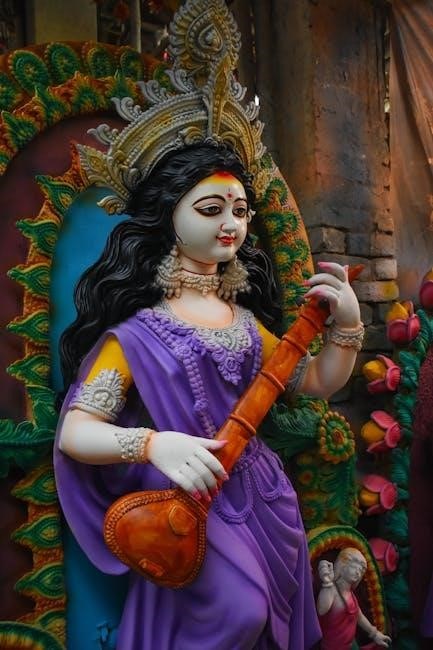
Tools for Studying Shri Rudram
Shri Rudram study benefits from PDF versions‚ LaTeX2ε typesetting‚ and RCCS coding for Sanskrit clarity‚ alongside SSBPT translations for deeper understanding.
LATEX2ε and pdfLATEX for Typesetting
LATEX2ε and pdfLATEX are powerful typesetting systems crucial for accurately rendering the complex Sanskrit script of Shri Rudram. These tools ensure precise formatting of Devanagari characters‚ diacritics‚ and transliteration schemes like IAST‚ vital for scholarly study and correct chanting.
Using LATEX2ε allows for the creation of professional-quality PDF documents containing the Shri Rudram text‚ maintaining consistency and readability. The system’s mathematical typesetting capabilities are also beneficial for representing phonetic structures.
pdfLATEX directly compiles LATEX code into PDF format‚ simplifying distribution and viewing. This combination is frequently employed in creating digital versions of sacred texts‚ ensuring faithful reproduction of the original Sanskrit verses‚ as evidenced by existing online resources.
Script and Roman Coloured Coding (RCCS)
Script and Roman Coloured Coding (RCCS) is a valuable method for studying Shri Rudram‚ particularly when working with Sanskrit texts and their transliterations. This system‚ available at resources like saiveda.net‚ visually links Devanagari script characters with their corresponding Roman transliterations.
RCCS employs colour-coding to highlight the relationship between the original Sanskrit and the IAST or other Romanized forms‚ aiding in pronunciation and comprehension. This is especially helpful when accessing Shri Rudram in PDF format‚ allowing for a deeper engagement with the text.
By visually connecting the scripts‚ RCCS facilitates accurate learning and recitation‚ bridging the gap for those unfamiliar with the Devanagari alphabet and enhancing the study of this sacred chant.
SSBPT Translations
SSBPT Translations‚ originating from Prasanthi Nilayam‚ offer a significant resource for understanding Shri Rudram. These translations provide detailed English interpretations of the Sanskrit verses‚ making the text accessible to a wider audience. Often found accompanying Shri Rudram in PDF format‚ they are invaluable for study and contemplation.
The SSBPT approach focuses on conveying the philosophical and spiritual essence of the chant‚ alongside literal meanings. This allows practitioners to grasp the deeper significance of each anuvaka and mantra.
Utilizing SSBPT translations alongside the original Sanskrit text‚ and tools like RCCS‚ enhances the learning experience and facilitates a more profound connection with Shri Rudram’s sacred message.